

In the rapidly changing world of custom attire, organizations and hobbyists alike are constantly seeking methods that supply high-quality, sturdy benefits without breaking the bank. Enter Strong to Picture (DTF) transfers—a technology that's quickly gained traction for the versatility and remarkable finish. If you are looking to raise your merchandise game, knowledge dtf transfers is essential. Under, we discover probably the most often requested issues and critical data surrounding that revolutionary printing method.
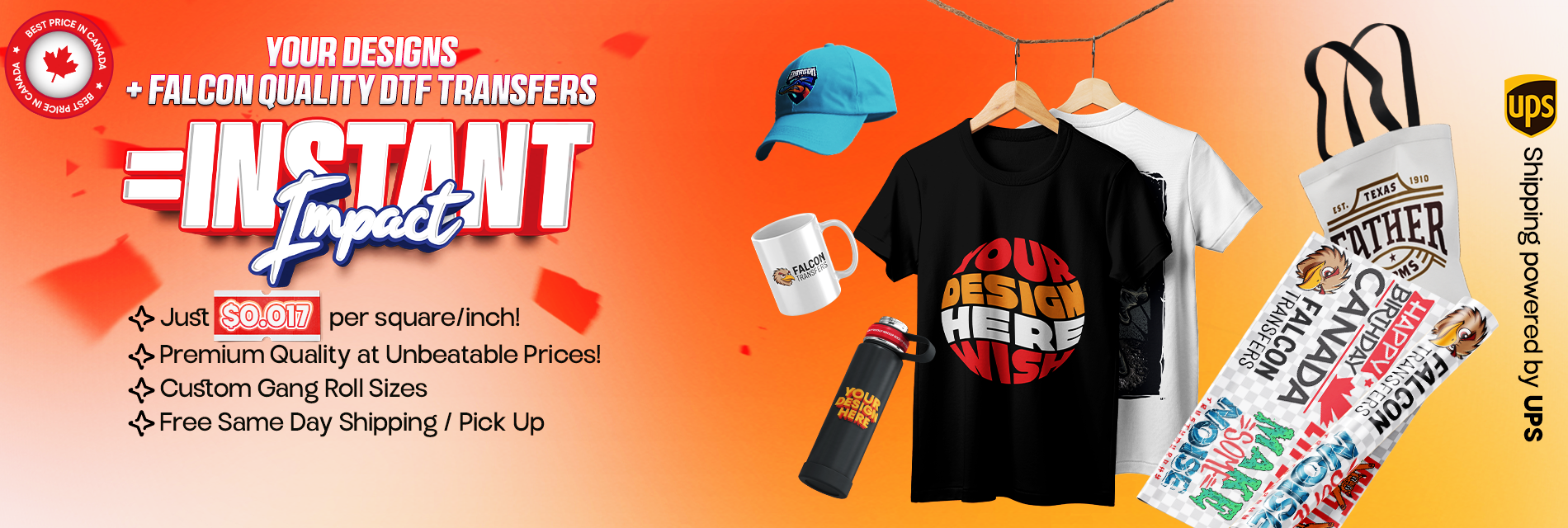
What Just are DTF Moves?
Strong to Film printing requires making a design onto a particular picture applying water-based inks. A dust adhesive is then applied to the rear of the printer although it is still wet. After recovering the dust with heat, the look could be transferred onto a dress employing a heat press. Unlike Strong to Dress (DTG) making, which is most effective on cotton, DTF may be placed on a wide variety of materials, including cotton, cotton, cotton, and blends. That mobility is really a important reason for its skyrocketing acceptance in the custom product sector.
Why are DTF Moves Gaining Market Reveal?
The change towards DTF is pushed by measurable benefits. New market evaluation shows that the digital textile making industry is estimated to cultivate somewhat over another decade, with DTF enjoying a crucial role. The primary owners include:
• Flexibility: Traditional methods frequently battle with artificial fibers. DTF bypasses that restriction, enabling vivid prints on dark and gentle polyesters that have been formerly difficult to print on without coloring migration.
• Durability: Tests show that top quality DTF styles may tolerate 50+ wash cycles without significant cracking or falling, making them comparable to, and occasionally a lot better than, conventional monitor printing.
• Cost-Effectiveness for Small Goes: For small to medium groups, the startup prices are small compared to monitor printing, which requires burning monitors for each and every color.
How Does the Quality Assess to Screen Making?
That is possibly the most typical issue for anyone changing from old-fashioned methods. While screen making stays the gold normal for enormous mass orders because of its rate when create, DTF provides a give sense that's remarkably smooth and thin. The "plastic" experience related to older temperature transfer vinyls is basically absent in modern DTF applications. More over, DTF provides for photo-realistic gradients and fine facts which can be complicated or really high priced to achieve with screen printing setups that need multiple displays for every single shade variation.
Is Pre-Treatment Required?
One of the most significant mathematical benefits of DTF over DTG is the reduction of the pre-treatment phase. In DTG printing, dark outfits require a substance pre-treatment apply to ensure the bright underbase bonds correctly. This step gives time, work, and compound fees to production. DTF reduces that entirely. The adhesive powder works as the bonding representative, streamlining the workflow and reducing manufacturing time by around 20-30% per device compared to DTG workflows that require pre-treatment.
What Gear is Had a need to Begin?
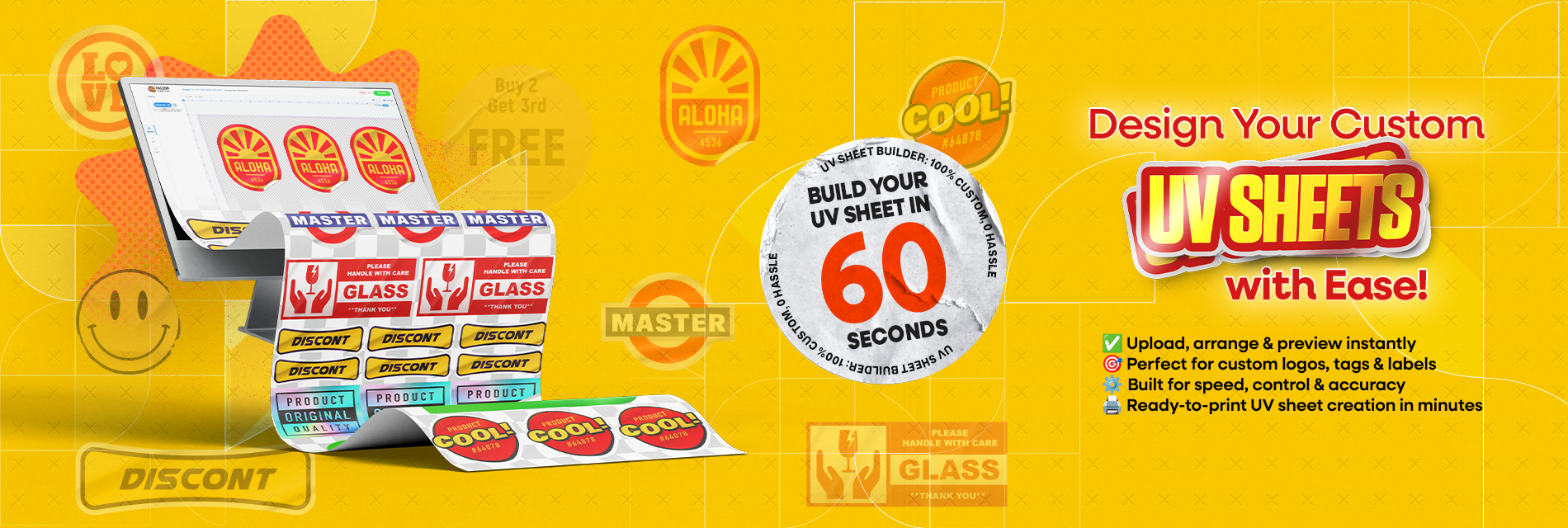
For businesses seeking to undertake that engineering, the barrier to entry is relatively low. The primary workflow requires a dedicated DTF printer, unique inks, DTF film, adhesive dust, a recovering stove (or temperature gun for little batches), and a temperature press. Several little companies outsource the making of the transfers and only handle the warmth pressing in-house. This "print-on-demand" model for transfers allows product builders to put on zero supply of finished outfits, reducing expense chance significantly.
The Potential of Custom Product
As client demand for customized and niche product grows, systems that provide pace and freedom can continue steadily to dominate. DTF moves connection the distance between the simple electronic printing and the durability of standard methods. If you are launching a new clothing brand or creating outfits for a corporate event, leveraging DTF technology ensures your products look skilled and stay the test of time.